Rapid City, SD · Water Treatment
Water Treatment in Rapid City, SD
Spotty dishes, stiff laundry, scale crusting your fixtures — in Rapid City, that is usually the water, not your appliances. FlowFast Plumbing connects you with an independent local plumber who tests water and installs softeners and filtration matched to what is actually in it.
You cannot fix water you have not tested. In Rapid City, FlowFast connects you with an independent local pro who starts with what is in your water — hardness, sediment, chlorine — and recommends treatment that fits the results, not a sales quota.
- Independent local plumbers taking jobs across Rapid City and Pennington County.
- FlowFast connects you with independent local plumbing pros. It does not perform plumbing work itself.
Rapid City
Water in Rapid City: the local picture
Shifting soil: deep frost and prairie clay moves with moisture cycles, stressing buried supply lines and slab foundations — a leading cause of slab leaks. That is the backdrop for Rapid City water treatment: post-war neighborhoods run on mid-century copper supply and cast-iron drains approaching end of life., and equipment chosen for the actual test results.
In Rapid City, the water story is written by geology and infrastructure. Post-war neighborhoods run on mid-century copper supply and cast-iron drains approaching end of life. Hillside and canyon-adjacent lots direct runoff toward foundations, making drainage design critical. Local pros test first because they have seen how much water varies even within Pennington County.
- City
- Rapid City, SD
- County
- Pennington County
- ZIP codes
- 57701, 57702
Water quality warning signs
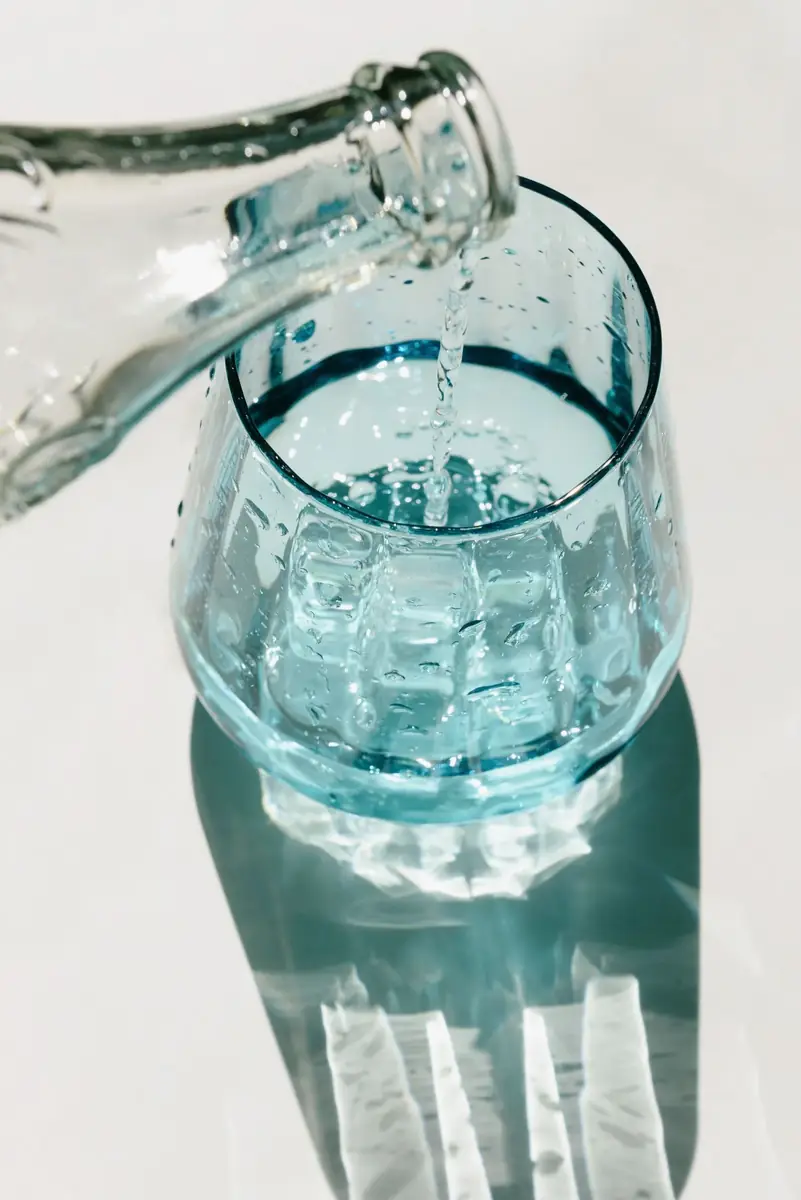
Water problems show up on your fixtures, your laundry, and your skin before you ever test a drop. These are the signs Rapid City homeowners notice first.
- White scale buildup on faucets, showerheads, and fixtures.
- Spots on dishes and glassware straight from the dishwasher.
- Dry skin and stiff laundry despite normal detergent.
- Chlorine taste or smell in tap water.
- Appliances — water heater, dishwasher — failing earlier than expected.
Test, then treat — what's covered
Expect a visit built around evidence — your water's, not a brochure's.
- Water testing to identify hardness, sediment, chlorine, and other common issues.
- Plain-language explanation of what the results mean for your home.
- Softener sizing and installation matched to your household's actual usage.
- Filtration options for taste, odor, and sediment — point-of-entry or point-of-use.
- Integration with your existing plumbing without disrupting the system.
- Maintenance guidance: salt, filter changes, and what to watch for.
What you can check yourself
You can learn a lot about your water before anyone tests it. These safe observations sharpen the pro's starting point.
Safe to do now
- Get an independent water test before buying any equipment.
- Clean aerators and showerheads with vinegar to dissolve scale buildup.
- Check salt levels monthly if you already own a softener.
Stop — call a pro
- Buying a softener without a hardness test — oversized or undersized units both waste money.
- Tying into the main water line without plumbing experience — one bad joint floods the utility room.
- Assuming a filter fixes hardness — most taste/odor filters do not soften water.
The process, step by step
Good water treatment is unglamorous and methodical. Here is the order of operations.
Water test: hardness level and any taste, odor, or sediment issues get identified first.
Right equipment: softener, whole-home filter, under-sink RO, or a combination — matched to the test results.
Plumbing tie-in: the pro installs at the main line or point of use with proper drain for softener backwash.
Setup and maintenance plan: salt or filter schedules explained so the system keeps performing.
What affects treatment cost
The right equipment depends on the test results and the household. Here is what drives the recommendation and the price.
- What the water test shows — softening, filtration, or both.
- System type and capacity — whole-home versus point-of-use.
- Plumbing complexity — main-line access and drain availability.
- Pre-treatment needs — sediment filters before a softener in some water.
- Ongoing costs — salt, replacement filters, and service intervals.
The full water softeners & filtration guide
Warning signs, the step-by-step process, cost factors, and what you can safely do yourself — the complete reference for water softeners & filtration.
Read the Water Treatment guideRapid City water FAQs
More services in Rapid City
- Emergency in Rapid City, SD
- Drain Cleaning in Rapid City, SD
- Water Heaters in Rapid City, SD
- Leak Repair in Rapid City, SD
- Sewer Lines in Rapid City, SD
- Toilets & Faucets in Rapid City, SD
- Repiping in Rapid City, SD
- Garbage Disposals in Rapid City, SD
- Sump Pumps in Rapid City, SD
- Gas Lines in Rapid City, SD
- Hydro Jetting in Rapid City, SD
- Backflow Prevention in Rapid City, SD
- Remodel Plumbing in Rapid City, SD
Water Treatment in nearby cities
Water Treatment in Rapid City, SD — handled.
Test it, treat it, enjoy it. Call (833) 878-1129 and FlowFast will connect you with an independent local plumber in Rapid City.
FlowFast Plumbing connects you with independent local plumbing professionals. When you call or submit the form, your details may be shared with up to three local pros so they can respond. This site does not perform plumbing work itself.