
Gas Line Installation & Repair
Gas lines feed stoves, water heaters, dryers, fireplaces, and outdoor grills — and every connection must be leak-tight and code-compliant. Gas work requires a licensed pro with permits and pressure testing; it is never a DIY job. FlowFast connects you with an independent local plumber for gas line service.
- Connected with an independent local pro — never a call center queue.
- The process explained up front, before anyone picks up a wrench.
- Serving all 50 states.
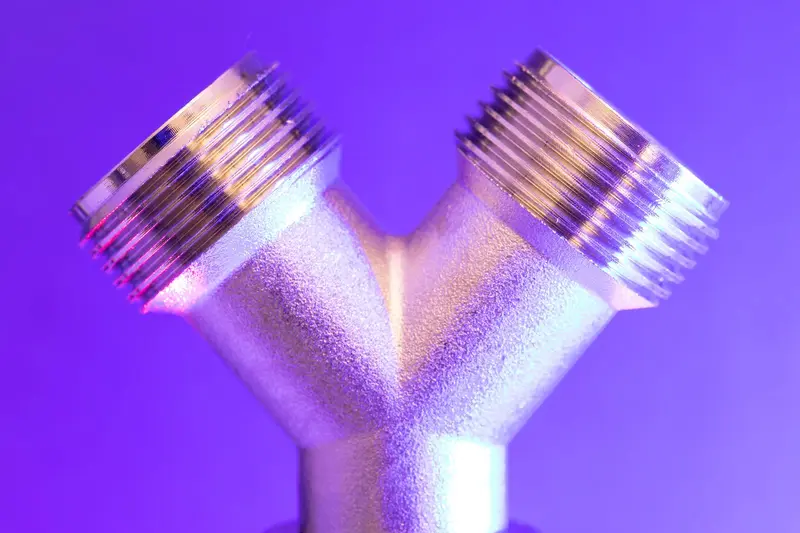
Adding a gas range, moving a dryer, or extending a line to an outdoor grill all mean working with pressurized natural gas or propane. The margin for error is zero — a loose fitting or untested joint can leak gas into your home.
Licensed pros size the line for the appliance load, use the right materials for the run, pull permits, and pressure-test every joint before the gas goes back on. That testing step is what separates pro work from dangerous guesswork.
FlowFast Plumbing is a free referral service. We do not perform plumbing work ourselves — we connect you with up to three independent local plumbers experienced in gas line work.
- Typical first step
- Stop the water source, then document everything with photos.
- Emergency capable
- Yes — call any time water is actively leaking.
Warning signs
Signs you need this service
- A rotten-egg or sulfur smell near gas appliances or lines.
- A hissing sound near a gas connection or meter.
- Dead vegetation in a line above a buried gas pipe outdoors.
- A gas appliance that will not stay lit or burns with a yellow flame.
- Higher-than-normal gas bills with no change in usage.
What happens
The process, step by step
Safety first: if you smell gas, leave the house and call the gas utility or 911 — do not operate switches or phones inside.
Leak detection: the pro isolates sections and pressure-tests to pinpoint the leak.
Repair or new run: damaged sections get replaced; new appliance runs get sized, routed, and permitted.
Test and verify: every joint is pressure-tested and inspected before gas service is restored.
Cost factors
What influences the cost
Every job is different, so we won't quote prices sight unseen. These are the factors a pro will weigh when pricing your job:
- New installation versus leak repair.
- Line length and routing — through walls, attic, or underground.
- Pipe material — black iron, CSST, or copper depending on code and application.
- Permits and inspections required by the city.
- Number of appliances on the run and total BTU load sizing.
DIY guidance
What you can do — and when to stop
Safe to do yourself
- Know where your gas meter shutoff is and how to turn it with a wrench.
- Keep the area around the gas meter clear and accessible.
- Install a carbon monoxide detector near gas appliances.
- Note the location of buried gas lines before any digging — call 811 first.
Stop and call a pro
- Never attempt gas line work yourself — no fittings, no extensions, no exceptions.
- Do not use open flame to check for leaks.
- Do not ignore a gas smell hoping it dissipates — leave and call for help.
- Do not bury or conceal gas connections where they cannot be inspected.
Frequently asked questions
Gas Lines — specific jobs
Narrower services under this category, each explained in detail.
Serving towns nationwide
Areas served
Find gas lines in your state — browse every city we cover.
- Alabama
- Alaska
- Arizona
- Arkansas
- California
- Colorado
- Connecticut
- Delaware
- Florida
- Georgia
- Hawaii
- Idaho
- Illinois
- Indiana
- Iowa
- Kansas
- Kentucky
- Louisiana
- Maine
- Maryland
- Massachusetts
- Michigan
- Minnesota
- Mississippi
- Missouri
- Montana
- Nebraska
- Nevada
- New Hampshire
- New Jersey
- New Mexico
- New York
- North Carolina
- North Dakota
- Ohio
- Oklahoma
- Oregon
- Pennsylvania
- Rhode Island
- South Carolina
- South Dakota
- Tennessee
- Texas
- Utah
- Vermont
- Virginia
- Washington
- West Virginia
- Wisconsin
- Wyoming
Related services

Plumbing problem? Don't wait on it.
Tell us what's happening and we'll connect you with an independent local plumber who fits the job.