
Memphis, TN · Water Treatment
Water Treatment in Memphis, TN
Hard water quietly shortens the life of everything it touches — heaters, fixtures, appliances. If Memphis water is leaving its mark, FlowFast connects you with an independent local pro for testing and treatment options.
Bottled water for drinking, softener for the house, filter for the taste: Memphis homes solve water problems in layers. FlowFast will connect you with an independent local plumber who sorts out which layer you actually need.
- Independent local plumbers taking jobs across Memphis and Shelby County.
- FlowFast connects you with independent local plumbing pros. It does not perform plumbing work itself.
Memphis
Why Memphis water needs treatment
In Memphis, the water story is written by geology and infrastructure. Bluff-edge homes where slow erosion shifts drainage patterns and foundation stability over decades. Midtown: early-1900s homes with century-old galvanized and cast-iron plumbing. Local pros test first because they have seen how much water varies even within Shelby County.
Freeze snaps: Tennessee winters are mostly mild but hard freezes still burst attic runs and exterior-wall plumbing every few years. That is the backdrop for Memphis water treatment: bluff-edge homes where slow erosion shifts drainage patterns and foundation stability over decades., and equipment chosen for the actual test results.
- City
- Memphis, TN
- County
- Shelby County
- ZIP codes
- 38103, 38104, 38105, 38111
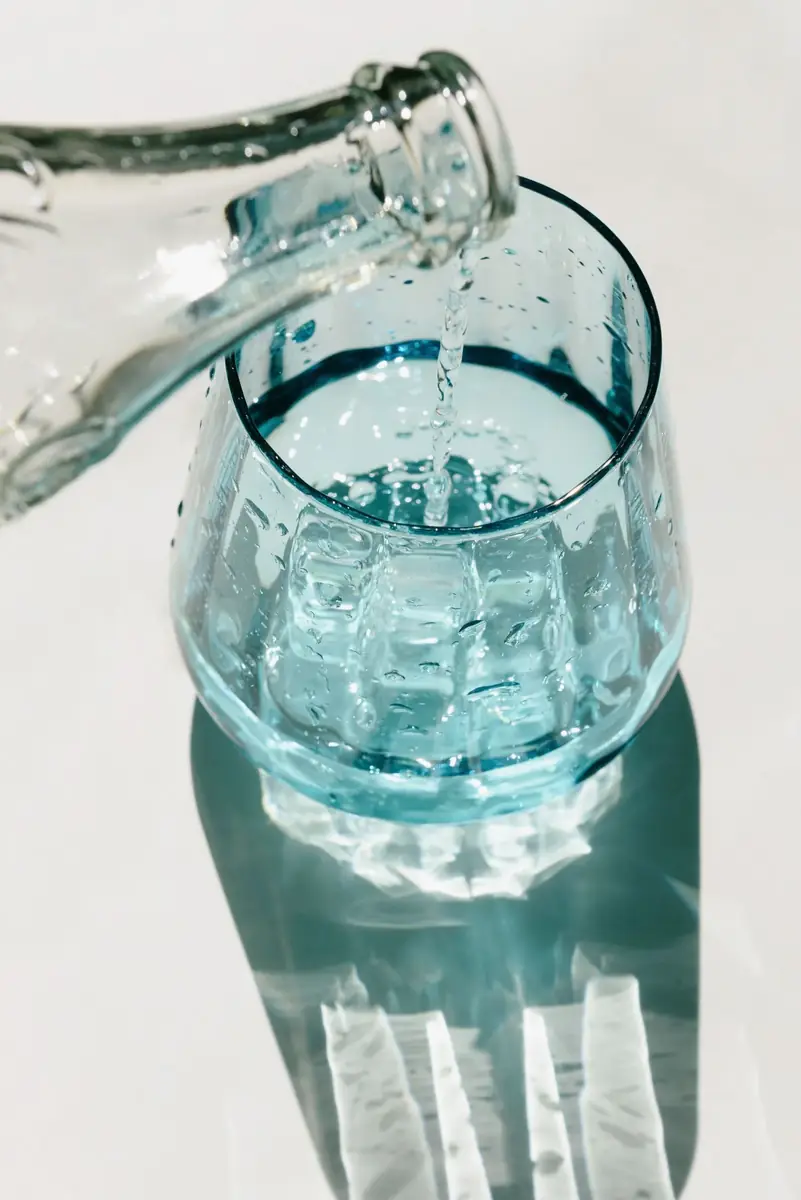
Water quality warning signs
Each symptom points at a different culprit — hardness, sediment, chlorine, or something rarer. Learn the tells.
- White scale buildup on faucets, showerheads, and fixtures.
- Spots on dishes and glassware straight from the dishwasher.
- Dry skin and stiff laundry despite normal detergent.
- Chlorine taste or smell in tap water.
- Appliances — water heater, dishwasher — failing earlier than expected.
What water treatment service includes
The honest sequence is always: test, explain, recommend, install. Here is what each step covers.
- Water testing to identify hardness, sediment, chlorine, and other common issues.
- Plain-language explanation of what the results mean for your home.
- Softener sizing and installation matched to your household's actual usage.
- Filtration options for taste, odor, and sediment — point-of-entry or point-of-use.
- Integration with your existing plumbing without disrupting the system.
- Maintenance guidance: salt, filter changes, and what to watch for.
Safe first steps
A few minutes of looking tells you which tests matter most. Gather this evidence first.
Safe to do now
- Get an independent water test before buying any equipment.
- Clean aerators and showerheads with vinegar to dissolve scale buildup.
- Check salt levels monthly if you already own a softener.
Stop — call a pro
- Buying a softener without a hardness test — oversized or undersized units both waste money.
- Tying into the main water line without plumbing experience — one bad joint floods the utility room.
- Assuming a filter fixes hardness — most taste/odor filters do not soften water.
From test to better water
From the first sample to the final taste test — how it unfolds.
Water test: hardness level and any taste, odor, or sediment issues get identified first.
Right equipment: softener, whole-home filter, under-sink RO, or a combination — matched to the test results.
Plumbing tie-in: the pro installs at the main line or point of use with proper drain for softener backwash.
Setup and maintenance plan: salt or filter schedules explained so the system keeps performing.
The decision factors
The right equipment depends on the test results and the household. Here is what drives the recommendation and the price.
- What the water test shows — softening, filtration, or both.
- System type and capacity — whole-home versus point-of-use.
- Plumbing complexity — main-line access and drain availability.
- Pre-treatment needs — sediment filters before a softener in some water.
- Ongoing costs — salt, replacement filters, and service intervals.
The full water softeners & filtration guide
Warning signs, the step-by-step process, cost factors, and what you can safely do yourself — the complete reference for water softeners & filtration.
Read the Water Treatment guideQuestions, answered
More services in Memphis
- Emergency in Memphis, TN
- Drain Cleaning in Memphis, TN
- Water Heaters in Memphis, TN
- Leak Repair in Memphis, TN
- Sewer Lines in Memphis, TN
- Toilets & Faucets in Memphis, TN
- Repiping in Memphis, TN
- Garbage Disposals in Memphis, TN
- Sump Pumps in Memphis, TN
- Gas Lines in Memphis, TN
- Hydro Jetting in Memphis, TN
- Backflow Prevention in Memphis, TN
- Remodel Plumbing in Memphis, TN
Water Treatment in nearby cities
Water Treatment in Memphis, TN — handled.
Better water starts with knowing your water. Call (833) 878-1129 — FlowFast will connect you with an independent local plumber in Memphis who tests first and treats right.
FlowFast Plumbing connects you with independent local plumbing professionals. When you call or submit the form, your details may be shared with up to three local pros so they can respond. This site does not perform plumbing work itself.