
New York City, NY · Water Heaters
Water Heaters in New York City, NY
A water heater rarely dies without warning; it whispers first. If yours is whispering in New York City, FlowFast will connect you with an independent local plumber to diagnose it before it becomes a leak on the floor.
Repair or replace? Tank or tankless? Those are the questions every New York City homeowner faces when the heater ages out. FlowFast connects you with an independent local plumber who gives straight answers and upfront options.
- Independent local plumbers taking jobs across New York City and New York County.
- FlowFast connects you with independent local plumbing pros. It does not perform plumbing work itself.
New York City
Why New York City heaters fail
From Staten Island to Brooklyn, New York City heaters work harder than they look. Basement and garden-level apartments sit in the flash-flood path. Sediment, age, and demand stack up — which is why flushing and anode checks matter more here than the manual suggests.
Ask a New York City plumber about heaters and they will ask about your water first. Basement and garden-level apartments sit in the flash-flood path. Hard water: mineral content shortens water-heater life and crusts fixtures — a common reason heaters fail early in New York City. That is why the pro's diagnosis here starts with water quality, not just the unit.
- County
- New York County
- ZIP codes
- 10001
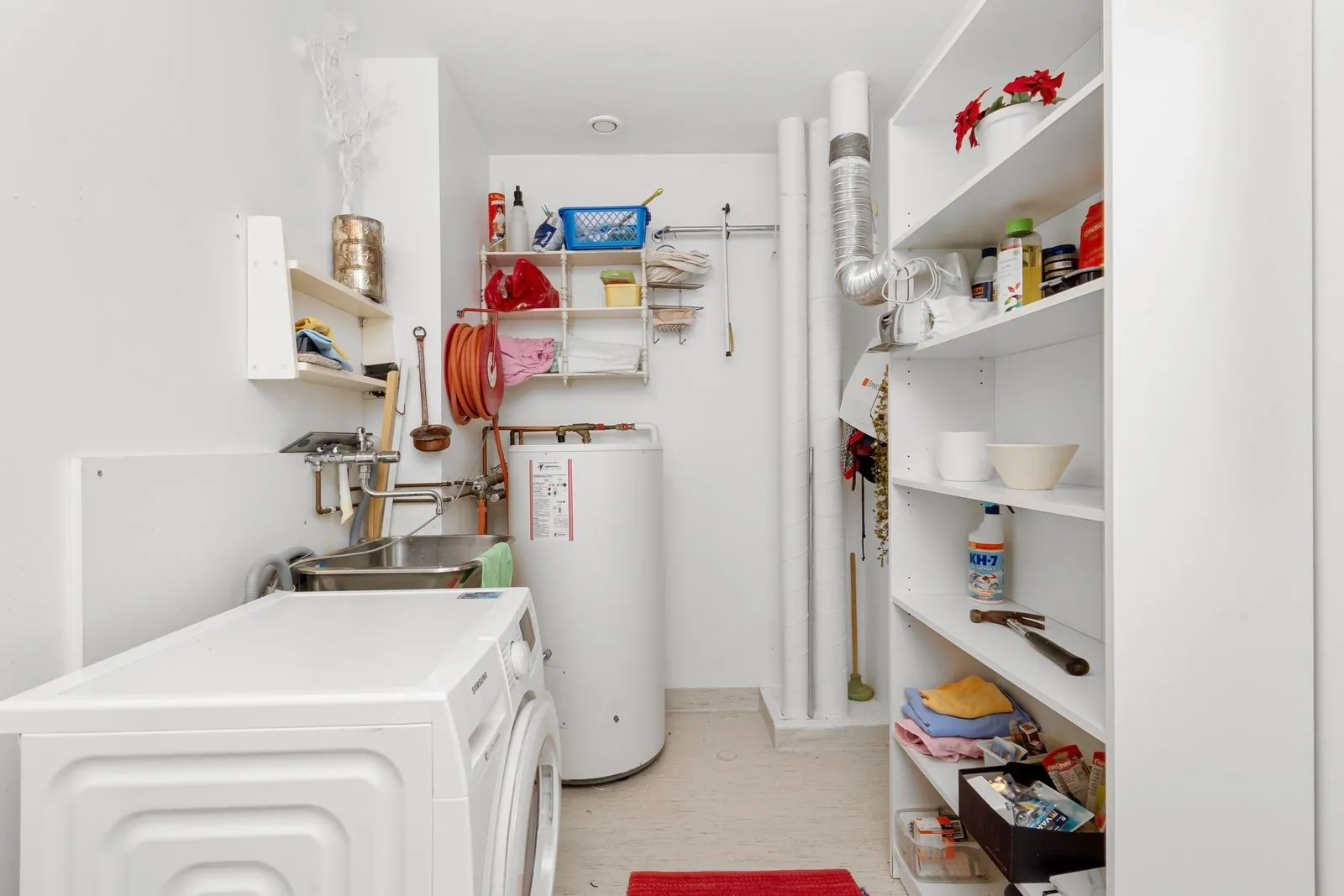
Heater warning signs
A dying heater rarely surprises anyone; the symptoms build for weeks. Here is what to watch for.
- No hot water, or hot water that runs out much faster than it used to.
- Rusty or discolored hot water, or a metallic smell.
- Rumbling, popping, or banging from the tank — sediment boiling at the bottom.
- Water pooling around the base of the heater.
- The unit is over 10 years old and needing frequent small repairs.
What the pro does on a heater call
A good heater visit ends with you understanding your options, not just a quote. Here is what the appointment covers.
- Diagnosis: element, thermostat, gas valve, anode rod, or tank failure.
- Repair of serviceable components when the tank itself is sound.
- Honest repair-vs-replace guidance based on the unit's age and condition.
- Full replacement including haul-away of the old unit, when replacement wins.
- Tankless upgrade consultation for homes ready to make the switch.
- Safety checks: T&P valve, venting, gas connections, and pan/drain routing.
Safe first steps for heater trouble
A few safe checks can resolve the simple stuff — or at least give the pro better information. Stay on the safe side of this list.
Safe to do now
- Test the reset button and breaker on an electric unit that stopped heating.
- Check that the gas valve is open and the pilot is lit on older gas units.
- Drain a bucket of sediment from the tank drain valve once a year (if the valve works freely).
Stop — call a pro
- Any gas smell — leave the area and call the gas utility, not a DIY forum.
- A leaking tank — it will not heal, and the leak only grows.
- Electrical work inside the unit beyond the reset button.
- Installing a new unit yourself — gas, venting, and pressure relief are pro territory.
What happens on the visit
Heater work is part detective, part installer. Here is the typical sequence from symptoms to hot water.
Diagnose first: the pro tests elements, thermostats, gas controls, and the tank itself to find the real failure.
Repair or replace recommendation: an honest pro tells you when a $200 part beats a $2,000 unit — and when it doesn't.
Right-size the replacement: household size, simultaneous use, and fuel type determine tank size or tankless capacity.
Install to code: proper venting, expansion tank, drain pan, and permits where required — then haul-away of the old unit.
The decision factors
The repair-vs-replace question has a real answer for every heater — it just depends on the inputs. These are the ones that matter.
- Repair versus full replacement.
- Tank versus tankless — equipment and installation complexity differ significantly.
- Fuel type — gas, electric, or heat-pump hybrid.
- Code upgrades — expansion tanks, pans, and venting changes on older installs.
- Access and location — garage swaps are simple; attic or closet installs are not.
The full water heater repair & installation guide
Warning signs, the step-by-step process, cost factors, and what you can safely do yourself — the complete reference for water heater repair & installation.
Read the Water Heaters guideWater heater FAQs
More services in New York City
- Emergency in New York City, NY
- Drain Cleaning in New York City, NY
- Leak Repair in New York City, NY
- Sewer Lines in New York City, NY
- Toilets & Faucets in New York City, NY
- Repiping in New York City, NY
- Water Treatment in New York City, NY
- Garbage Disposals in New York City, NY
- Sump Pumps in New York City, NY
- Gas Lines in New York City, NY
- Hydro Jetting in New York City, NY
- Backflow Prevention in New York City, NY
- Remodel Plumbing in New York City, NY
Water Heaters in nearby cities
Water Heaters in New York City, NY — handled.
One call, straight answers, hot water again. Call (833) 878-1129 and FlowFast will connect you with an independent local plumber in New York City.
FlowFast Plumbing connects you with independent local plumbing professionals. When you call or submit the form, your details may be shared with up to three local pros so they can respond. This site does not perform plumbing work itself.